 To Live In the Shadow of the Cross
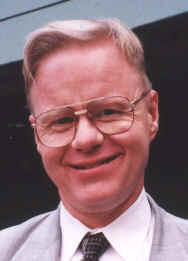
A Series of Lectures by Dr. Tom Drolesky
Sponsored by Una Voce of Orange County
			To Live In the Shadow of the Cross

			A Series of Lectures by Dr. Tom Drolesky

			Sponsored by Una Voce of Orange County
To Live In the Shadow of the Cross
A Series of Lectures by Dr. Tom Drolesky
Sponsored by Una Voce of Orange County
This
program, taught by Dr. Thomas A. Droleskey,
is intended to equip Catholics with an understanding of the truths of the
Catholic Faith and to relate them to
Lecture One: March 11, 2001 - 2 tapes
The Nature of Truth: Explaining the concept of truth as explained by the pagan philosophers of antiquity and as taught by Holy Mother Church. The stress in this lecture would be on the fact that there are laws which exist in the nature of things which do not depend upon human acceptance for their validity, their binding force. This is true in the realm of the physical world and that of the human soul.
Lecture Two: March 18, 2001
The Nature of God: A lecture on the nature and attributes of the Triune God. A lack of understanding of the nature of God is at the root of man’s lack of understanding of himself. This lecture would focus on the fact that God’s love is an act of His Divine Will–and that human love must be rooted in the will of God. That is, authentic love wills the good of another, the ultimate expression of which is doing or saying nothing which interferes with the salvation of our own souls (or that of others).
The Creation of the Angels: Focuses on the creation of the angels, the rebellion led by Lucifer against God, the creation of the visible world–and the creation of man as made in the image and likeness of God. The Fall and its consequences would be discussed at length.
From Eden to the Annunciation: A review of salvation history–and its application to the life of the Church–from the time of the Fall through the Annunciation. The Flood. The call of Abraham. The selling of Joseph into bondage. The first Passover as the prefiguring of our Lord’s new and eternal Passover. The rebellion of the Hebrew people in their desert journey. The establishment of Israel as a prefiguring of the New Zion, Holy Mother Church. The role of the prophets as men who had to excoriate temporal rulers who placed themselves and their power above the Sovereignty of God. This lecture includes a careful, commandment by commandment exegesis of the Ten Commandments.
Lecture Four: April 8, 2001 - 2 tapes
The Ten Commandments: A continuation of the previous lecture, an exegesis of the Ten Commandments.
From The Annunciation to the Cross: The Incarnation of the Word in Our Lady’s virginal and immaculate womb. How Our Lord is in solidarity with every child in every mother’s womb. The meaning of Our Lord’s birth in poverty and anonymity in Bethlehem. His hidden years in Nazareth (how we are to do everything perfectly well for love of the Father in Spirit and in Truth). The gradual unfolding of His Sacred Divinity in His Public Ministry. His Passion, Death, Resurrection.
Signs of Contradiction: A review of the work of the Apostles as they fearlessly proclaimed the Holy Name throughout the Roman Empire, rejoicing because they were deemed worthy of ill-treatment for the sake of the Name. The collapse of the Roman Empire and the rise of Christendom out of the blood of the martyrs.
The Glory of Christendom: this lecture will focus on the establishment of Christendom during the First Millennium. The conversion of barbaric tribes to the Cross of Christ resulted in a world where people lived for the honor and glory of God. Yes, there were wars and scandals and conflicts and heresies. However, people lived in a culture infused with the faith. They understood it was their sins that caused the problems of the world, that there were no “political” or “governmental” solutions to social problems, which are all the rotten fruit of human disobedience to the law of God.
Political Rule in Christendom: An examination of how the Church was honored as the ultimate authority on matters of fundamental justice–and how various rulers (such as St. Louis IX) understood that they had the obligation to rule according to the mind of Christ the King. These rulers understood that they had to root out all conditions in society which could lead to sin and to blasphemy, knowing that a just ruler has an obligation to help to foster conditions in his land wherein people could better save their immortal souls. There will be an extended exegesis of Pope Leo XIII’s Immortale Dei.
The Rise of Political Ideology: Political ideology emerges as a result of trends which began in the Renaissance and quickened during the Enlightenment. Its purpose is to replace the true faith as the means of social order, convincing people that it is possible to resolve social problems by the use of human reason and structural reform unaided by the grace won for us by the shedding of Our Lord’s Most Precious Blood. Some of the early ideologies (the amorality of Machiavelli, the relativism of Montaigne, the secularism of Freemasonry) would be reviewed in this lecture.
Rupture: The effect of the Protestant Revolt on Christendom. The connection between Luther’s rejection of the authority of the Church (as well as his reliance on the written word alone) and the Americanist ethos of individualism and our reliance upon a written document (the Constitution) as the basis of social order. John Calvin and his distorted concept of Christianity.
The English Revolt, Liberalism and the French Revolution: an examination of John Locke and liberalism. How Locke’s attempt to explain the creation of civil society fundamentally rejects a Genesis-based view of Creation and the Fall. Freemasonry and its goals. How Freenmasonry and Lockeanism paved the way for the radical individualist Jean-Jacques Rousseau, Lockean liberalism would help to pave the way for the French Revolution, which was nothing less than a wholesale rebellion against Christ and His true Church, the precursor of all modern revolutions. As the late Father Vincent Miceli noted, the French Revolution was antitheistic of its very nature, having much in common with Bolshevism and other forms of collectivism.
Lecture Eight: May 6, 2001 - 2 tapes
For Love of God and Country, Part 1: A study of the settlement of the Americas by the Catholic missionaries. How the barbaric peoples of this hemisphere were converted to the true faith in the same manner as those in Europe had been converted during the First Millennium. Our Lady’s appearance to Blessed Juan Diego in 1531. The differences between the settlement of this hemisphere by Catholic nations and Protestant nations (England, The Netherlands).
For love of God and Country, Part 2: The Founding of the United States of America as an expression of religious indifferentism and a rejection of the authority of Christ and His true Church. A careful review of the Founding documents in light of the papal encyclical letters of Popes Leo XIII and Pius XI.
For love of God and Country, Part 3: A lecture focusing on the way in which the American ethos of pluralism and democracy corrupted the true faith in this country. That is, many Catholics in the Nineteenth Century were content to be “tolerated” by the Protestant majority. Thus, while Catholics could worship freely, they unwittingly permitted the faith to be ghettoized, believing that it was somehow “un-American” to use the truths of the faith openly in public debate, worse yet to attempt to institute the Social Reign of Christ the King.
Lecture Ten: May 27, 2001 - 2 tapes
Stability of Worship Leads to Endurance in the Faith: A study of the connection between liturgical reverence and social order. How a restoration of the Traditional Mass is an essential precondition (not a guarantor) of the right ordering of things in society. If Christ is not honored as King in the Mass, how can He be honored as King in society? If we do not reverence His Real Presence in the Blessed Sacrament, then how will we see His image in the unborn child?
Lecture Eleven: July 21, 2001 - 2 tapes
Of Marx and Lenin: A review of the nature of Communism as the ultimate expression of antitheism. Relying upon Pope Pius XI’s Divini Redemptoris, the nature of communism would be explained. Examples of how the Communist spirit of collectivism has infiltrated the very fabric of American social and political life would be covered.